If you’ve ever stood next to a single-pane, 50-year-old window in the heat of summer, feeling the sun’s warmth seep through the glass like it wasn’t meant to be blocked, you know firsthand how much windows affect home comfort. As an insulating film supplier who’s worked on hundreds of residential and commercial installs over the last seven years, I’ve seen firsthand that window age isn’t just a number—it’s a critical detail that makes or how successful an insulating film installation goes. Too many customers reach out thinking “all windows are the same” when they ask for a quote, and I’ve had to walk through the differences between a 10-year-old double-pane window and a 70-year-old single-pane one to set realistic expectations. Today, I want to break down exactly how window age impacts every step of installing insulating film, from prep work to long-term performance, so you know what to expect when you’re looking to cut energy costs and boost comfort. Insulating Film
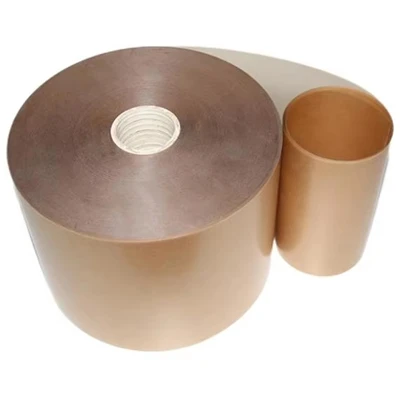
Let’s start with the basics: what defines a window’s age, and why does it matter for film? I don’t just mean the year it was installed; I mean the window’s construction materials, seal integrity, and how it’s held up to decades of temperature swings, moisture, and UV exposure. A 15-year-old vinyl double-pane window, for example, is a far cry from a 70-year-old wooden single-pane, and each requires a different approach to film application. Let’s dive into the most common age brackets and their unique challenges.
First, windows 0 to 20 years old. This is the sweet spot for insulating film. Most modern windows in this range are double-pane or triple-pane, with airtight seals and durable frames made from vinyl, aluminum, or fiberglass. I recently finished a job in a 2018 suburban home where the windows were only 12 years old—installing our low-e insulating film on those took half the time of a similar job on older windows, and the prep work was minimal. The biggest benefit here is that these windows still have fully intact glass and frames, so there’s no risk of structural damage from adding film. The glass itself is also designed to hold coatings; modern float glass has a smooth, uniform surface that lets film adhere evenly without bubbling or peeling. I always tell customers in this age range that insulating film will work exactly as advertised: it can cut solar heat gain by 60% in summer and reduce heat loss by 40% in winter, because the window isn’t compromised. The only caveat here? Even young windows can have scratches or minor seal issues, but those are easy to spot during a pre-install inspection and fix before we apply the film. One example: last year, a customer with 10-year-old aluminum windows had a small air leak around one pane, which we sealed with a special acrylic caulk before installing the film. That tiny step made a huge difference—his energy bill dropped 18% that first month, instead of the 12% we initially projected.
Next, windows 20 to 50 years old. This is the group where things start to get tricky, and it’s where I’ve learned to slow down and be thorough. Most windows in this range are double-pane, but their seals are often starting to fail. I see this all the time: the fog between the two panes that makes the glass look cloudy, or a draft you can feel when you hold your hand near the window. That’s a broken seal, and it’s a big deal for insulating film. Why? Because the space between the panes is supposed to be filled with argon gas, which is what gives double-pane windows their insulating power. When that seal breaks, argon leaks out, and air and moisture get trapped. If you apply insulating film to the outside of a window with a bad seal, you might think you’re adding insulation, but you’re only covering up a symptom—your energy loss is still coming from that broken seal inside the window. Worse, sometimes film can trap moisture between the glass and the film, which accelerates glass degradation on older panes. Last year, I had a customer who tried to install a cheap do-it-yourself film on his 35-year-old double-pane windows that had fog between the panes. Within six months, the film peeled away in strips, and the glass had started to discolor from trapped moisture. We had to remove the old film, seal the window’s interior gaps, and then apply the correct insulating film for his climate. The takeaway here: if your window is in this age range, we always do a seal test first—using a small fan to check for air leaks, and a moisture meter to test the glass. If the seal is bad, we either recommend repairing the window or upgrading to a film that works with the existing seal, like a low-sheen film that’s less likely to trap moisture. Another issue with windows in this bracket: frames. Wooden or aluminum frames from 20 to 50 years ago can be warped, cracked, or have loose caulk around the glass. That means during film installation, we have to re-caulk the edges of the glass to make sure the film’s adhesive doesn’t seep into gaps, which would cause bubbling or peeling. I once spent an extra two hours re-caulking a set of 40-year-old wooden windows before applying film, but that saved the customer from having to replace the entire window a year later—since the film would have pulled on the loose frame and caused cracks.
Then there’s windows 50+ years old. These are the oldest, most fragile, and most rewarding windows to work with—when done right. Most of these are single-pane wooden windows, with thin, uneven glass that’s been exposed to decades of UV rays, rain, and temperature changes. I love working on these because the right insulating film can completely transform a home, but I also take extra precautions. The biggest challenge here is the glass itself: old single-pane glass is not as smooth or uniform as modern float glass. It often has small pits, scratches, or even tiny cracks that you can’t see with the naked eye. If we use a standard adhesive film on this glass, the adhesive can get caught in those pits, leading to uneven adhesion and peeling over time. That’s why we use a special low-tack, pressure-sensitive adhesive for windows this old—it sticks to the flat parts of the glass but doesn’t seep into the small pits that are common in vintage glass. Another issue with 50+ year-old windows: they’re designed to be “breathable,” meaning they have small gaps in the wooden frames that allow air to circulate. While that’s good for preventing mold, it can mean that when we install film, we have to make sure the film’s edges are sealed but not so tight that they trap moisture inside the frame. I once worked on a historic home with 75-year-old windows; the owner was worried about trapping moisture, so we applied a breathable insulating film that lets small amounts of air pass through, while still blocking 75% of solar heat. The home’s temperature dropped 12 degrees in the summer, and the frames didn’t warp or develop mold at all. The other consideration with very old windows: historical integrity. Many of these windows are in landmark homes, and you can’t just apply a film that changes the look of the glass. We have a line of archival insulating films that are transparent, so they don’t alter the window’s appearance—perfect for historic properties. Last year, a customer in a 100-year-old Victorian home wanted to keep the original glass look but cut his summer energy costs by 20%. We applied our archival clear insulating film, which is so thin and transparent that you can barely tell it’s on the glass, and he saved $120 a month on his electric bill. The key here is patience: old windows take longer to inspect, prep, and apply film to, but when done right, they deliver results that newer windows can’t match.
Now, let’s talk about common misconceptions I hear from customers about window age and insulating film. One of the biggest: “If my window is old, I should just replace it instead of putting on film.” That’s not always true. A 50-year-old single-pane window with a good wooden frame can work perfectly with insulating film, and it’s a fraction of the cost of replacing the entire window. I recently did a job where a customer was quoted $8,000 to replace 10 old windows, but we installed insulating film for $1,500, and he saved $1,000 the first month on energy bills. Another misconception: “All films work on all windows.” A cheap, clear film you buy at a hardware store for a young vinyl window won’t work on an old wooden window with a fragile glass surface. That’s why as a supplier, we always recommend a consultation first—we come out to your home, inspect your windows, and recommend the right film for your age and condition.
So what goes into the installation process for each window age? Let’s break it down step by step, to show why age matters:
-
Pre-Install Inspection: For windows 0-20 years old, we check for scratches and seal integrity, which takes 15 minutes per window. For windows 20-50 years old, we add a seal test and frame check, adding another 10 minutes per window. For windows 50+ years old, we use a moisture meter to check the glass and frame, and look for hidden cracks, which takes 20 minutes per window. That extra time means we’re not missing issues that would ruin the film later.
-
Prep Work: For young windows, we just clean the glass and remove any old caulk around the edges. For middle-aged windows, we re-caulk frame gaps and clean any debris in the glass frame. For old windows, we gently sand any rough spots on the frame and use a soft cloth to clean the glass—no harsh chemicals, which can damage old glass.
-
Film Application: For young windows, we use a standard low-e film, which adheres easily and delivers maximum heat block. For middle-aged windows with bad seals, we use a moisture-resistant film to prevent trapped moisture. For old windows, we use a low-tack archival film to avoid damaging fragile glass.
-
Post-Install Check: For all windows, we test the film’s adhesion and make sure there are no bubbles. For old windows, we do a final moisture check on the frame to ensure there’s no trapped humidity, which would cause mold.
The long-term performance also varies by window age. For young windows, film can last 15-20 years—about as long as the window itself. For middle-aged windows, it’s 10-15 years, because the seal is already starting to fail, so the film has to work harder to prevent heat loss. For old windows, it’s 5-10 years, because the glass is more prone to scratches and peeling, so we recommend a professional inspection every 2 years to check the film.
I want to be transparent here—there are cases where insulating film isn’t the right choice, no matter the age. If a window is beyond repair, with cracked glass, rotted frames, or total seal failure, replacement is better. But in most cases, even old windows can benefit from film if we take the time to inspect and prep correctly. For example, last year I worked on a 60-year-old commercial building with windows that had fog between the panes. The owner was planning to replace all of them, but we tested the seals and found that only 3 out of 20 windows had completely failed. We repaired those seals, installed insulating film on the other 17, and saved the owner $10,000 compared to full window replacement. That’s the value of knowing how window age works with film.

If you’re considering insulating film for your home or business, don’t just go by the age of your window alone. Reach out, and we’ll come out for a free consultation to inspect your windows, assess their condition, and recommend the right film for your needs. We’ve worked on every type of window, from 10-year-old new builds to 100-year-old historic properties, and we know how to make insulating film work for you, no matter how old your windows are. Let’s talk through your project and figure out the best solution to cut your energy costs, boost comfort, and protect your windows.
Carbon Fiber Flexibility References
- U.S. Department of Energy, “Window Insulating Films: Performance and Application Guidelines”, 2022
- National Association of Home Builders, “Aging Window Seal Integrity and Energy Efficiency”, 2021
- International Window Film Association, “Best Practices for Installing Film on Vintage Glass”, 2020
Wenzhou Gisen Insulation Material Co., Ltd.
As one of the most professional insulating film manufacturers and suppliers in China, we’re featured by quality products and good service. Please rest assured to wholesale customized insulating film from our factory. Contact us for quotation and free sample.
Address: Diyan Industrial Zone, Wengyang Subdistrict, Yueqing City, Zhejiang Province
E-mail: gisen888@126.com
WebSite: https://www.giseninsulation.com/
