As a supplier in the field of corrugated transformer tanks, I am often asked about the materials used in their production. Understanding these materials is crucial for both manufacturers and customers, as they directly impact the performance, durability, and cost of the transformer tanks. In this blog, I will delve into the various materials commonly used to make corrugated transformer tanks, their properties, and why they are chosen for this application. Corrugated Transformer Tank

Steel
Steel is the most widely used material for corrugated transformer tanks. It offers a combination of strength, durability, and cost – effectiveness that is hard to beat.
Carbon Steel
Carbon steel is a popular choice due to its high strength and relatively low cost. It contains carbon as the main alloying element, with small amounts of other elements like manganese, silicon, and sulfur. The carbon content can vary, but for transformer tanks, low – carbon steel is often preferred. Low – carbon steel is easy to form into the corrugated shape required for the tank. It has good weldability, which is essential during the manufacturing process as the tank is assembled by welding different parts together.
One of the key advantages of carbon steel is its mechanical strength. It can withstand the internal pressure generated by the transformer oil and other components inside the tank. Additionally, carbon steel can resist external impacts and environmental stress, making it suitable for use in various industrial and outdoor settings. However, carbon steel is prone to corrosion. To address this issue, it is often coated with a protective layer, such as a paint or a zinc coating through galvanization.
Stainless Steel
Stainless steel is another option for corrugated transformer tanks, especially in applications where corrosion resistance is of utmost importance. Stainless steel contains chromium, which forms a passive oxide layer on the surface of the metal, protecting it from corrosion. This makes stainless steel ideal for use in harsh environments, such as coastal areas where the air contains high levels of salt, or in industrial settings with high levels of pollutants.
In addition to its excellent corrosion resistance, stainless steel also has good mechanical properties. It is strong and can maintain its shape under different operating conditions. However, stainless steel is more expensive than carbon steel, which can increase the overall cost of the transformer tank. Therefore, it is typically used in applications where the benefits of corrosion resistance outweigh the higher cost.
Aluminum
Aluminum is also used in the production of corrugated transformer tanks, although to a lesser extent than steel. Aluminum has several advantages that make it an attractive option in certain situations.
Lightweight
One of the main advantages of aluminum is its low density, which makes it much lighter than steel. This can be a significant benefit, especially in applications where weight is a concern, such as in mobile transformers or in installations where transportation and handling are difficult. The lightweight nature of aluminum also reduces the overall stress on the supporting structure of the transformer.
Corrosion Resistance
Aluminum has good natural corrosion resistance. When exposed to air, it forms a thin oxide layer on the surface that protects it from further oxidation. This makes aluminum suitable for use in outdoor environments where it may be exposed to moisture and other corrosive agents. However, the corrosion resistance of aluminum can be further enhanced through surface treatments, such as anodizing.
Thermal Conductivity
Aluminum has a high thermal conductivity, which means it can transfer heat more effectively than steel. This is beneficial for transformer tanks as it helps in dissipating the heat generated by the transformer, improving its overall efficiency and reducing the risk of overheating.
However, aluminum is not as strong as steel, and it may require additional reinforcement in some cases. Also, the cost of aluminum is relatively high compared to carbon steel, which can limit its use in cost – sensitive applications.
Insulation Materials
In addition to the structural materials, insulation materials are also an important part of a corrugated transformer tank. These materials are used to prevent electrical short – circuits and to ensure the safe operation of the transformer.
Transformer Oil
Transformer oil is a commonly used insulation material. It has excellent electrical insulation properties and can also act as a coolant, helping to dissipate the heat generated by the transformer. Mineral oil is the most widely used type of transformer oil due to its good insulation performance, low cost, and availability. However, in recent years, there has been an increasing use of synthetic and biodegradable oils due to environmental concerns.
Solid Insulation Materials
Solid insulation materials, such as paper and pressboard, are also used in transformer tanks. These materials are often impregnated with transformer oil to enhance their insulation properties. Paper and pressboard are used to insulate the windings of the transformer and to provide mechanical support. They are made from cellulose fibers and have good electrical insulation and mechanical strength.
Sealing Materials
Sealing materials are used to prevent the leakage of transformer oil from the tank and to keep out moisture and other contaminants.
Gaskets
Gaskets are commonly used for sealing the joints and openings in the transformer tank. They are made from a variety of materials, such as rubber, silicone, and neoprene. Rubber gaskets are flexible and can provide a good seal under different operating conditions. Silicone gaskets have excellent heat resistance and can withstand high temperatures without losing their sealing properties. Neoprene gaskets are resistant to oil, ozone, and weathering, making them suitable for use in transformer tanks.
Sealants
Sealants are used to fill small gaps and cracks in the tank to prevent leakage. They are typically applied in a liquid form and then cure to form a solid seal. Epoxy – based sealants are often used due to their high strength and good adhesion properties.
Why the Right Material Matters
The choice of materials for a corrugated transformer tank is not arbitrary. It has a direct impact on the performance, reliability, and lifespan of the transformer. For example, using a corrosion – resistant material like stainless steel or aluminum in a harsh environment can significantly reduce the maintenance requirements and extend the life of the tank. On the other hand, using high – quality insulation and sealing materials can prevent electrical failures and oil leakage, ensuring the safe and efficient operation of the transformer.
Contact for Procurement
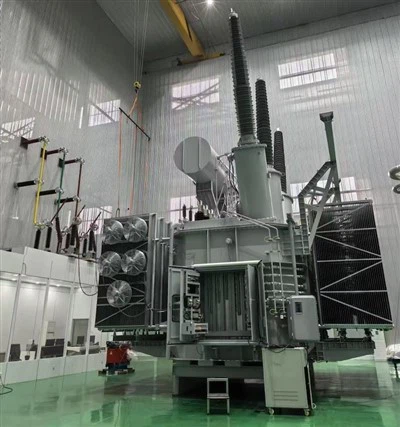
I hope this blog has provided you with valuable insights into the materials used to make corrugated transformer tanks. As a supplier, I have extensive experience in selecting the right materials for different applications. Whether you are in need of a standard corrugated transformer tank or a customized solution, I can offer you high – quality products at competitive prices.
Power Transformer Oil Tank If you are interested in purchasing corrugated transformer tanks or have any questions about the materials, manufacturing process, or applications, please feel free to contact me. I am always ready to discuss your requirements and find the best solution for you.
References
- "Transformer Design Principles: With Applications to Core – Form Power Transformers" by John G. Kirtley Jr.
- "Handbook of Electrical Safety Engineering" by Michael A. Laughton, James R. Sethi.
- "Materials Science and Engineering: An Introduction" by William D. Callister Jr., David G. Rethwisch.
Nantong Zhihe Electric Co., Ltd.
As one of the most professional corrugated transformer tank manufacturers and suppliers in China, we’re featured by quality products and low price. Please rest assured to wholesale cheap corrugated transformer tank made in China here from our factory. Customized orders are welcome.
Address: NO.202 Jianghai West Road, Hai’an Town, Hai’an City, Jiangsu Province
E-mail: colt.ntzh@gmail.com
WebSite: https://www.ntzhelectric.com/
