Can a wheel excavator be used in wet conditions? This is a question that often comes up among construction professionals and those in the heavy – equipment industry. As a wheel excavator supplier, I’ve encountered this query multiple times, and I’m here to share a comprehensive analysis based on my experience and industry knowledge. Wheel Excavator
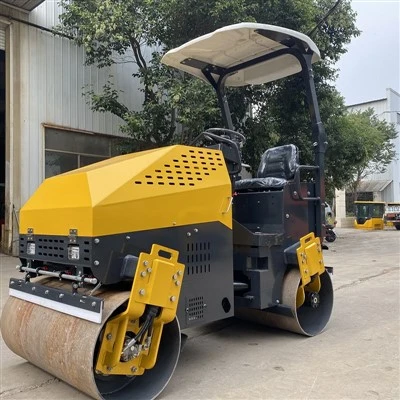
Understanding Wheel Excavators
Wheel excavators are highly versatile machines that combine the mobility of wheeled vehicles with the digging capabilities of an excavator. They are typically used in a wide range of applications, including urban construction, landscaping, utility work, and road maintenance. Their design allows for quick movement between job sites, reducing the need for additional transportation equipment.
The key components of a wheel excavator include a hydraulic system, a powerful engine, a cab for the operator, and a tracked or wheeled undercarriage. The hydraulic system provides the power to operate the boom, arm, and bucket, enabling precise digging and material handling. The engine powers the entire machine, while the cab offers a comfortable and safe working environment for the operator.
Wet Conditions and Their Challenges
Wet conditions in construction sites can vary from light rain to flooding. Such conditions present several challenges for any construction equipment, and wheel excavators are no exception.
One of the primary issues in wet conditions is reduced traction. The wheels or tracks of the excavator rely on friction with the ground to move forward, backward, and turn. When the ground is wet, the coefficient of friction decreases significantly. For wheeled excavators, this can lead to slipping and skidding, especially when turning or operating on slopes. This not only makes it difficult to control the machine but also poses a safety risk to the operator and those nearby.
Another challenge is the potential for water damage to the machine’s components. Water can seep into the electrical systems, causing short – circuits and malfunctions. The hydraulic system is also at risk, as water can contaminate the hydraulic fluid, leading to decreased performance and potential damage to the hydraulic pumps, valves, and cylinders.
In addition, wet soil is often softer and less stable than dry soil. This means that the excavator may sink deeper into the ground, putting additional stress on the undercarriage and potentially causing the machine to become stuck.
Using Wheel Excavators in Wet Conditions
Despite the challenges, wheel excavators can be used in wet conditions effectively if proper precautions are taken.
Preparation
Before using a wheel excavator in wet conditions, it’s crucial to conduct a thorough inspection of the machine. Check the electrical systems for any signs of damage or loose connections, and ensure that all waterproof covers are in place. Inspect the hydraulic system for leaks and check the hydraulic fluid level and quality. If the fluid appears contaminated, it should be changed before operating the machine in wet conditions.
Also, select the appropriate type of tires or tracks for the wet terrain. Some tires are designed with special tread patterns that provide better traction on wet surfaces. In some cases, using tracks instead of wheels can improve the machine’s stability and traction in soft, wet ground.
Operational Precautions
When operating a wheel excavator in wet conditions, the operator should adjust their driving style. Move the machine slowly and avoid sudden stops, starts, and turns. When turning, use a wider turning radius to reduce the risk of slipping. If the machine is working on a slope, ensure that it is always moving up or down the slope in a straight line, and avoid traversing the slope.
It’s also important to keep the working area as clear as possible. Wet ground can easily become muddy, and debris can get stuck in the wheels or tracks, further reducing traction. Regularly clean the undercarriage and the wheels or tracks during operation to prevent the build – up of mud and debris.
Maintenance
After using the wheel excavator in wet conditions, it’s essential to perform thorough maintenance. Wash the machine to remove any mud, dirt, and debris that may have accumulated. Pay special attention to the electrical systems, hydraulic systems, and joints. Dry these areas carefully to prevent rust and corrosion.
Check the hydraulic fluid again for signs of water contamination. If necessary, change the fluid and filter. Lubricate all moving parts to protect them from the effects of moisture.
Case Studies: Successful Use of Wheel Excavators in Wet Conditions
There have been numerous instances where wheel excavators have been used effectively in wet conditions. In urban areas during heavy rain seasons, wheel excavators are often used for drainage system maintenance. These machines are able to quickly move around the city streets, dig up the clogged drains, and clear the debris. By taking the appropriate precautions, operators can ensure that the machines operate safely and efficiently even in pouring rain.
In landscaping projects near bodies of water, where the ground is often damp, wheel excavators are used to dig trenches, move soil, and plant trees. The versatility of the wheel excavator allows it to access tight spaces and perform a variety of tasks, and with proper maintenance and operation, it can function well in these wet environments.
Benefits of Using Wheel Excavators in Wet Conditions
Using a wheel excavator in wet conditions can still offer several benefits. As mentioned earlier, their mobility allows them to be quickly deployed to different locations, which is especially important in emergency situations such as flood relief. They can be used to clear debris, dig channels for water flow, and perform other essential tasks in a timely manner.
In addition, compared to larger tracked excavators, wheel excavators are generally lighter and cause less damage to paved surfaces. In wet urban environments where roads and sidewalks need to be protected, wheel excavators are a more suitable choice.
Conclusion
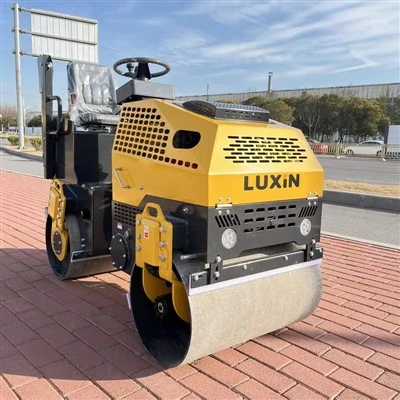
In conclusion, while wet conditions pose challenges to wheel excavators, they can be safely and effectively used with proper preparation, operational precautions, and maintenance. As a wheel excavator supplier, I understand the importance of providing customers with not only high – quality machines but also comprehensive information on how to use them in various conditions.
Wheel Excavator If you are considering purchasing a wheel excavator for your project, whether it involves wet conditions or not, I invite you to reach out to me for a detailed consultation. I can provide you with more information on the features and capabilities of our wheel excavators, as well as offer advice on the best practices for using them in different environments. Let’s discuss your specific needs and find the perfect wheel excavator solution for you.
References
- Equipment World Magazine: "Heavy Equipment Operation in Wet Conditions" – Various issues that cover topics related to equipment performance and safety in wet environments.
- Construction Equipment Manufacturer’s Handbook: Specifically, sections on wheel excavator design, operation, and maintenance under different weather conditions.
- Industry – specific research papers on the impact of wet conditions on construction machinery, sourced from academic databases and professional construction associations.
Shandong Feisite Machinery Co., Ltd.
As one of the most professional wheel excavator manufacturers and suppliers in China, we’re featured by quality products and good service. Please rest assured to buy cheap wheel excavator made in China here and get quotation from our factory. Customized orders are welcome.
Address: 100 meters south of Zengfusi Village, Mihe Town, Qingzhou City, Shandong Province
E-mail: Wpeng19911103@qq.com
WebSite: https://www.shandongfeisite.com/
