If you’re anything like me, you’ve grabbed a bottle of textile softener from the laundry aisle a hundred times, lured by the promise of fluffy, static-free clothes that smell like a spring meadow. For years, I ran my own textile softener business—so I’ve seen firsthand how many customers don’t stop to think about what’s actually in those neon-labeled bottles. Most conventional softeners are packed with harsh chemicals: quaternary ammonium compounds (quats) that can irritate skin, parabens, synthetic fragrances that trigger migraines, and even nonylphenol ethoxylates (NPEs), endocrine disruptors that build up in water systems when you rinse them down the drain. Textile Softener

A few years back, I started getting emails from customers asking for alternatives. They’d read articles about the environmental impact of their laundry routine, or their kids started getting rashes after using the same softener they’d loved for decades. At first, I tried tweaking our formulas to be “natural,” but the truth is, some of the most effective softening solutions aren’t sold in fancy plastic bottles. They’re already in your pantry, your garden, or hidden in plain sight at your local grocery store. As someone who’s spent years in this industry, I want to share what I’ve learned—these natural alternatives work, they’re better for your home, and they won’t break the bank.
Let’s start with the most popular and underrated one: white vinegar. I know, I know—vinegar smells like a salad dressing, not fresh laundry. But here’s the thing: that smell fades completely once it dries. I tested this myself a few years ago, running side-by-side loads of the same cotton towels: one with my regular softener, one with half a cup of white vinegar added to the fabric softener compartment of my washer. The towels with vinegar were just as fluffy, if not more, than the ones with conventional softener. They also didn’t hold that musty smell that towels sometimes get after a few washes.
The science behind vinegar is simple. Conventional softeners coat fabric fibers with waxy chemicals to cut down on static and soften texture, but that coating can build up over time, making fabrics feel dull. Vinegar is an acid that dissolves those mineral deposits left by hard water—stuff that makes fabrics feel scratchy in the first place. It also balances the pH of your laundry, which helps set dyes and keeps colors from fading. I’ve had customers tell me they stopped using vinegar because their clothes smelled like pickles, but if you add a few drops of essential oil (lavender is my go-to, or even citrus) to the vinegar bottle, that scent cuts right through. Just make sure you never mix vinegar with bleach— that creates toxic fumes. Stick to using it in the rinse cycle, and you’ll get soft, static-free clothes without any harsh chemicals.
Next up: baking soda. I’ve used baking soda for everything from unclogging drains to deodorizing my fridge, and it works wonders in laundry too. Unlike vinegar, baking soda is a gentle alkali that softens fabrics by breaking down dirt and oil that’s trapped in fibers. It’s especially great for workout clothes or stinky socks, because it neutralizes odors instead of just masking them like synthetic fragrances. I’ve found that adding half a cup of baking soda to your regular detergent (or even just using it alone for a simple load) leaves clothes feeling softer, not coated with that waxy residue that makes some fabrics feel stiff after a few washes.
One thing to note: baking soda works best in warm or hot water, so if you’re washing delicate items in cold water, you might want to pair it with a little vinegar in the rinse cycle to get the same softening effect. Also, don’t overdo it—too much baking soda can leave a slight powdery residue on dark clothes if you don’t rinse them well. Test it out on a small load first, and you’ll get the hang of it.
Another alternative that’s been gaining traction in recent years is wool dryer balls. I started offering these alongside our conventional softeners a few years back, and they quickly became one of our top sellers. Wool dryer balls are exactly what they sound like: balls made from 100% New Zealand wool, no chemicals or synthetic materials. When you toss them in the dryer with your clothes, they separate the fabric, letting hot air circulate more evenly. That cuts down on drying time, which saves energy, and it also helps soften fabrics naturally by reducing friction between clothes. No more static cling, and your clothes feel just as fluffy as if you used a softener.
What’s even better: wool dryer balls last for years. I’ve had a set that I use at home for over three years now, and they still work just as well as the day I bought them. You can add a drop or two of essential oil to them before tossing them in the dryer, and your clothes will have a subtle, natural scent, no synthetic fragrances needed. The only downside? They might be a bit pricey upfront, but they pay for themselves in a few months, and they’re way better for the environment than disposable softener sheets or liquid bottles that end up in landfills.
If you’re looking for a liquid alternative to conventional softeners, there’s one I’ve tested that stands out: castile soap mixed with water and a little essential oil. Castile soap is made from vegetable oils (usually olive oil, coconut oil, or hemp oil) and is free of the harsh chemicals in regular soap. To make your own softener, mix one part castile soap with three parts water, add a few drops of essential oil, and shake well before using. Add a quarter cup of this mix to your rinse cycle, and it will soften fabrics and leave them smelling nice. I’ve used this on baby clothes too—my niece has sensitive skin, and she never had a reaction to this mix, whereas she would break out from conventional softeners.
Wait, but what about downy or cottony softness for things like fleece or sweaters? I’ve found that one of the best natural solutions for heavy, thick fabrics is cornstarch. That’s right—the same cornstarch you use in baking can soften your wool sweaters and fleece jackets. To use it, mix half a cup of cornstarch with four cups of warm water, stir until it’s completely dissolved, and add it to your rinse cycle. Let the fabrics soak for a few minutes, then run the rinse cycle. I tested this on a bulky wool coat last winter; after washing, it felt just as soft as if I used a specialty wool softener, and it didn’t shrink or pill. Cornstarch works by coating the outer layer of fabric fibers gently, not the harsh waxes that conventional softeners use, so it’s perfect for delicate fabrics that you don’t want to damage.
Of course, I can’t talk about natural textile softeners without mentioning a few myths I’ve heard over the years. Some people say that natural alternatives don’t work as well, but that’s not true—you just have to adjust how you use them. For example, if you have hard water, adding a little more vinegar or baking soda will help, because hard water minerals can make natural solutions less effective. Another myth is that all natural products are expensive, but most of these alternatives are cheaper than conventional softeners over time. A bottle of white vinegar costs a few dollars and lasts for months, while a bottle of conventional softener can cost $10 or more and runs out in a month for regular laundry loads.
As someone who’s worked in the textile softener industry for years, I’ll admit that switching to natural alternatives might feel like a small change, but it adds up. The harsh chemicals in conventional softeners don’t just affect your skin—they get washed into rivers and lakes, where they can harm aquatic life. I’ve seen customers make the switch and notice better sleep (because they’re not breathing in synthetic fragrances while they sleep on their sheets), less eczema on their kids, and even longer-lasting clothes, because they’re not being coated in that waxy residue that breaks down fibers over time.
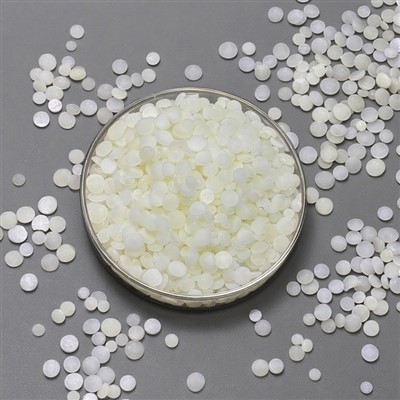
If you’re thinking about making the switch, but still want a reliable, effective solution, let’s talk. As a textile softener supplier, we’ve spent years researching natural formulas that work as well as conventional ones, without the harsh chemicals. We can help you test different alternatives for your business, whether you’re a small boutique or a large laundry service, and we can customize solutions that fit your needs. No more guessing which products are safe for your customers or your home—let’s work together to find a softening solution that’s good for people and the planet.
Household Chemical References
- Environmental Working Group. (2022). "Guide to Healthy Cleaning: Fabric Softeners." EWG.org.
- U.S. Environmental Protection Agency. (2021). "Laundry Detergents and Softeners: Environmental Impact." EPA.gov.
- Wool Research Organization of New Zealand. (2020). "Benefits of Wool Dryer Balls for Laundry Care." WRONZ.org.nz.
- Journal of Environmental Health. (2019). "Quaternary Ammonium Compounds in Household Products: Human Exposure and Health Risks." JEHonline.org.
Nanfeng Dasun Technology Co., Ltd.
As one of the leading textile softener manufacturers and suppliers in China, we offer a wide range of products with superior quality for industrial. Please rest assured to buy bulk textile softener made in China here from our factory. Contact us for more details.
Address: Nanfeng Industrial Park, Nanfeng County, Fuzhou City, Jiangxi Province, China
E-mail: Inquiry@honechem.com
WebSite: https://www.honechem.org/
