Hey guys, let’s cut to the chase—one of the most annoying questions I get as a hair conditioner supplier is, “Why does my hair feel like a grease trap after using conditioner?” I swear, I’ve had so many customers message me saying they dumped their whole $50 conditioner bottle because it left their roots slick, or they’ve been skipping conditioner entirely to avoid looking like they ran their hands through a deep-fryer. If that’s you, I get it—no one wants to walk around looking like they forgot to wash their hair (or they use way too much styling product) when they just wanted soft, manageable strands. Hair Conditioner
First off, let’s break down why conditioner does that, because it’s not the conditioner itself being “greasy” (most of the time). I’ve been working in the hair care game for like 8 years now, and I’ve tested hundreds of formulas—so trust me, I know the ins and outs. Conditioner’s whole job is to add moisture and slip to the hair, right? Hair gets dry from heat styling, coloring, pollution, even just the water you wash with. The outside of your hair has these little overlapping scales called cuticles—when they’re raised up (which happens when your hair is dry), that’s what makes hair feel frizzy, tangled, and hard to comb through.
Conditioner uses ingredients to smooth those cuticles down. But here’s the thing: most people are overdoing it, or they’re using the wrong formula for their hair type. Greasiness from conditioner almost never comes from a “bad” conditioner—it comes from how you use it, or a mismatch between your hair and the product. Let’s start with the basics of how conditioner works, super simply. Most conditioners have two main types of ingredients: humectants and emollients. Humectants (like glycerin or hyaluronic acid) draw water into your hair to keep it hydrated. Emollients (like silicones, shea butter, or plant oils) sit on top of the cuticle to smooth it down and add softness. The heavy, greasy-feeling stuff is usually the emollients, especially if they’re formulated for thicker, drier hair.
If you have fine, straight, or oily scalp hair, you don’t need a super heavy emollient blend. Those rich, creamy conditioners that work wonders for curly, thick, color-treated hair? They’re way too much for fine strands, which don’t need as much weight to feel soft. They sit on the root area (which is already oilier, because your scalp produces sebum there) and weigh it down, making it look greasy by midday. I’ve had so many fine-haired customers switch to a “volume” or “lightweight” conditioner from our line, and they’re shocked at how much less greasy their hair feels—no sacrifice in softness, just the right amount of moisture where they need it.
Next up: application method. This is where 90% of the mistakes happen, in my opinion. Everyone’s heard “apply conditioner to the ends” but do they actually do it? Most people slather it all over their entire head, from roots to tips, which is a disaster. The roots of your hair don’t need the same moisture as the ends. Your scalp naturally produces sebum (that’s the natural oil that keeps your scalp healthy), so adding extra product there is like pouring motor oil on a pre-lubricated engine—it’s just going to build up. I always tell people: apply conditioner only to the last 2-3 inches of your hair, work it in gently, and then leave it for 1-2 minutes (don’t leave it on longer than that, unless the bottle specifically says so). Longer wait times don’t make it work better—they just give the emollients more time to sit on your roots.
Then there’s rinsing. How long do you rinse for? If you’re like most people, you rinse for 10-15 seconds and call it good. But conditioner needs to be rinsed thoroughly, right? If any residue is left on your hair, that will build up over time and make it feel greasy, even if you used the right amount. I recommend rinsing for at least 30 seconds, maybe a minute if you have longer hair. Cold water at the end also helps— it closes the cuticle, so less product gets trapped in the hair shaft, which cuts down on that greasy feeling later.
Wait, but what if you’re doing all that right and still getting greasy hair? Then it might be the ingredients themselves. Not all silicones are created equal, for example. There are water-soluble silicones that rinse out easily, and non-water-soluble ones that can build up over weeks. That build-up will make your hair feel heavy and greasy, even if you’re using the right amount. Also, some people have sensitivity to certain oils—like if your scalp is prone to oiliness, a conditioner with coconut oil or argan oil might be too heavy for you, even if your hair is on the drier side. I always say to check the label: if you see a bunch of heavy oils high up on the ingredient list, that’s a red flag for people who get greasy easily.
Another thing people forget: their hair’s natural state changes. Your hair type doesn’t stay the same forever. If you started coloring your hair recently, or you heat style way more than you used to, your hair might need a little more moisture than before—but maybe not the same type. Or if you went from having fine straight hair to curly hair (which happens to so many people after years of straightening), you might have been using the wrong conditioner for years. I had a customer tell me she’s been using her mom’s thick conditioner for her fine hair for 5 years—no wonder she was getting grease! Once she switched to a lightweight formula, her whole hair game changed.
Let’s also clear up a big myth: conditioner doesn’t “clog pores” on your scalp, that’s a old myth I hear all the time. What actually happens is product build-up, combined with excess sebum, can make your scalp feel oily, which transfers to your hair. It’s not that the conditioner is clogging anything—it’s just extra product sitting where it shouldn’t be. That’s why targeting your application only to the ends is so key.
Now, what can you actually do if your conditioner is making your hair greasy? Let’s make this actionable, because no one wants to keep guessing. First, switch up the formula. If you have fine, straight, or oily scalp hair, go for a lightweight, “volumizing” or “daily rinse-out” conditioner. Avoid anything labeled “intensive repair” or “deep conditioning” unless you only use that once a week on your ends, not every wash. For curly or thick hair, use a conditioner that’s formulated for curl definition—they tend to have lighter emollients that don’t weigh roots down as much.
Second, adjust your application: only ends, 1-2 minutes, rinse thoroughly. If you have super long hair, you can section it off so you don’t accidentally get conditioner on your roots when you’re massaging the ends. Third, if you’re still getting build-up, use a clarifying shampoo once a week to strip away excess product and oil. That will make your conditioner work better, because there’s no layer of gunk sitting on your hair. Fourth, don’t overuse conditioner. If you wash your hair every day, you don’t need to use full doses every time. Sometimes a coin-sized amount on the ends is enough, no need for a palm-full.
Wait, but what about people who have dry ends but greasy roots? That’s such a common hair type, I can’t even tell you how many messages I get about that. It’s called combination hair, and it’s totally normal. For that, I always recommend two options: either use a lightweight conditioner on the roots only when you wash, and a richer deep conditioner on the ends once a week, or use a leave-in conditioner only on the ends (not on roots). Leave-in conditioners are great because they add moisture without extra weight—just a tiny bit on the ends, and you’re good. I have a leave-in that’s super popular for combination hair, and so many customers say it’s the only thing that keeps their ends soft and roots not greasy.
As a conditioner supplier, my whole goal is to make products that work for all hair types, so I don’t believe there’s a “one size fits all” when it comes to avoiding grease. The worst thing is seeing people avoid conditioner because they had a bad experience—conditioner is non-negotiable for healthy hair, if you use the right one. Skipping conditioner leads to more breakage, more frizz, and even more oil production (because your hair is so dry, your scalp makes more sebum to compensate). So it’s not about ditching conditioner—it’s about picking the right one for you, and using it the right way.
Let me give you a quick example from one of my recent customers. She had fine, straight hair, and she was using a thick, drugstore conditioner that left her hair greasy by lunch. She told me she thought all conditioner was bad for fine hair, so she was only using a tiny amount every other wash, and her ends were so dry they were splitting. I sent her a sample of our lightweight volumizing conditioner, told her to only apply it to the last 2 inches, rinse for a full minute, and she messaged me two days later saying her hair stayed soft for 3 days without feeling greasy. That’s the win we’re after, right?
Another thing to note: hard water can make conditioner feel greasier too. If you have really hard water in your area (lots of minerals), those minerals can bind to the conditioner ingredients and create a film on your hair, which makes it feel heavy and greasy. Using a shower filter can help with that, because it removes the minerals, so your conditioner rinses out better. It’s a small change, but it makes a huge difference for a lot of people.
So to wrap this up: conditioner doesn’t inherently make your hair greasy. It’s usually a mix of using the wrong formula for your hair type, applying it to the wrong parts, not rinsing it out thoroughly, or dealing with build-up from old formulas. If you’ve been struggling with greasy hair after conditioner, don’t just throw the whole bottle away—give these tips a try, or reach out. As a conditioner supplier, I’m here to help you find the right product that works for your hair, no matter what type you have.

If you’re tired of guessing which conditioner won’t leave your hair greasy, or you want to test out some lightweight formulas tailored to your hair type, feel free to get in touch for purchasing and product inquiries. We have options for fine hair, curly hair, combination hair, all types—no weird heavy ingredients, just effective moisture without the grease.
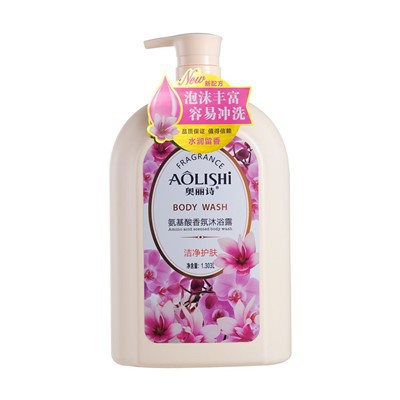
Body Wash REFERENCES
- The Science of Hair Care, 2nd Edition, 2019, CRC Press
- International Journal of Cosmetic Science, "Hair Product Residue and Its Effects on Hair Fiber Properties", Vol. 38, No. 2, 2016
- Journal of Dermatological Science, "The Role of Sebum in Hair Health and Appearance", Vol. 92, No. 1, 2018
- Cosmetic Ingredient Review, Safety Assessment of Dimethicone and Related Silicone Compounds as Used in Cosmetics, 2020
Guangzhou Aiqimei Cosmetics Co., Ltd.
As one of the most experienced hair conditioner manufacturers and suppliers in China, we also support customized service. Please feel free to buy discount hair conditioner made in China here from our factory. For free sample, contact us now.
Address: No. 17, Yinbian West Street, Jiahe, Baiyun District, Guangzhou City
E-mail: 269086872@qq.com
WebSite: https://www.cnaiqimei.com/
