What is the pressure rating of butt fusion fittings?
As a professional supplier of butt fusion fittings, I often receive inquiries about the pressure ratings of these essential pipeline components. Understanding the pressure rating of butt fusion fittings is crucial for selecting the right products for specific applications, ensuring the safety, efficiency, and longevity of piping systems. In this blog post, I aim to provide a comprehensive overview of what pressure ratings are, how they are determined, and why they matter in the context of butt fusion fittings. Butt Fusion Fittings
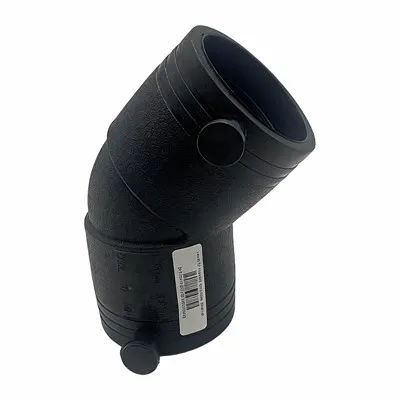
What are Pressure Ratings?
Pressure rating refers to the maximum pressure that a fitting can withstand under specific conditions without experiencing failure. It is typically expressed in units of pressure, such as pounds per square inch (psi) or megapascals (MPa). For butt fusion fittings, which are commonly used in high – density polyethylene (HDPE), cross – linked polyethylene (PEX), and other plastic piping systems, the pressure rating is a key specification that indicates the fitting’s ability to handle internal pressure within a pipeline.
The pressure rating of a fitting is not a fixed value but is influenced by several factors, including the material of the fitting, its design, the temperature of the fluid flowing through the pipeline, and the duration of pressure exposure. For example, a fitting made of a high – strength plastic material may have a higher pressure rating than one made of a less – robust material. Similarly, the pressure rating of a fitting may decrease as the fluid temperature increases, as the mechanical properties of plastic materials tend to degrade at higher temperatures.
How are Pressure Ratings Determined?
The determination of pressure ratings for butt fusion fittings involves a combination of theoretical calculations, laboratory testing, and industry standards.
Theoretical Calculations: Engineers use mathematical models and equations based on the physical properties of the fitting material, such as its modulus of elasticity, yield strength, and ultimate tensile strength, to estimate the fitting’s ability to withstand pressure. These calculations take into account the geometry of the fitting, including its wall thickness, diameter, and shape.
Laboratory Testing: In addition to theoretical calculations, fittings are subjected to rigorous laboratory testing to validate their pressure ratings. One of the most common tests is the hydrostatic pressure test, in which the fitting is filled with water and pressurized to a specified level for a set period. The fitting is then inspected for signs of leakage, deformation, or failure. Other tests may include burst tests, which determine the maximum pressure at which the fitting will fail catastrophically, and long – term creep tests, which evaluate the fitting’s performance under sustained pressure over an extended period.
Industry Standards: Pressure ratings for butt fusion fittings are also regulated by industry standards. Organizations such as the American Society for Testing and Materials (ASTM), the International Organization for Standardization (ISO), and the Plastics Pipe Institute (PPI) have developed comprehensive standards that define the requirements for pressure ratings, testing methods, and quality control for plastic piping systems and fittings. These standards ensure that manufacturers produce fittings that meet a minimum level of performance and safety.
Why are Pressure Ratings Important?
The importance of understanding the pressure rating of butt fusion fittings cannot be overstated. Here are some key reasons why pressure ratings matter:
Safety: Ensuring that the pressure rating of a fitting is appropriate for the operating conditions of a pipeline is essential for preventing accidents and failures. If a fitting is exposed to pressures higher than its rated capacity, it may rupture, leading to leaks, spills, and even explosions in extreme cases. This can pose a significant risk to human health, the environment, and property.
System Performance: Using fittings with the correct pressure rating ensures the efficient and reliable operation of the piping system. If the pressure rating is too low, the fitting may experience premature wear and tear, leading to increased maintenance costs and downtime. On the other hand, using fittings with an excessively high pressure rating may result in unnecessary costs, as these fittings are often more expensive.
Compliance: Many industries and applications are subject to regulatory requirements regarding the use of materials and components in piping systems. Adhering to the appropriate pressure ratings is crucial for ensuring compliance with these regulations and avoiding potential legal issues.
Pressure Ratings in Different Applications
The pressure ratings required for butt fusion fittings vary depending on the specific application. Here are some common scenarios:
Water Supply Systems: In municipal water supply systems, the pressure ratings of butt fusion fittings typically range from 100 psi (0.69 MPa) to 250 psi (1.72 MPa). These fittings are designed to handle the normal operating pressures of water distribution networks, as well as occasional pressure surges.
Industrial Pipelines: In industrial applications, such as chemical processing plants and oil refineries, the pressure requirements can be much higher. Fittings used in these applications may have pressure ratings of several hundred psi or even thousands of psi, depending on the nature of the fluid being transported and the operating conditions of the pipeline.
Gas Distribution Systems: For natural gas distribution systems, the pressure ratings of butt fusion fittings are carefully regulated to ensure safety. The pressure ratings can vary depending on the location within the gas network, with transmission pipelines typically operating at higher pressures than distribution pipelines. Common pressure ratings for gas distribution fittings range from 15 psi (0.1 MPa) to 1000 psi (6.9 MPa).
Selecting the Right Pressure Rating for Your Application
When selecting butt fusion fittings for your project, it is essential to consider the following factors:
Operating Pressure: Determine the maximum pressure that the fitting will be exposed to during normal operation. This includes both the static pressure (the pressure when the fluid is not flowing) and the dynamic pressure (the pressure when the fluid is flowing).
Temperature: Consider the temperature of the fluid flowing through the pipeline. As mentioned earlier, the pressure rating of a fitting may decrease as the temperature increases. Make sure to select a fitting with a pressure rating that is appropriate for the expected temperature range.
Industry Standards: Ensure that the fittings you choose comply with relevant industry standards. This will not only ensure the safety and performance of the pipeline but also make it easier to obtain regulatory approvals.
Application Requirements: Take into account the specific requirements of your application, such as the type of fluid being transported, the size and layout of the pipeline, and any special environmental conditions.
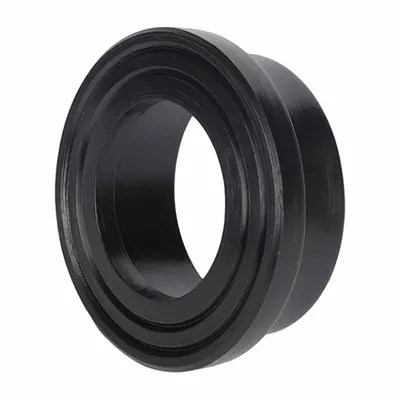
As a trusted supplier of butt fusion fittings, I am committed to providing high – quality products that meet the strictest industry standards. Our fittings are available in a wide range of pressure ratings to suit various applications, and we have a team of experts who can help you select the right products for your project.
Electrofusion Fittings If you are in need of butt fusion fittings or have any questions about pressure ratings, I encourage you to reach out to us for a detailed discussion. We can provide you with technical support, product samples, and competitive pricing. Let’s work together to ensure the success of your piping system project.
References
- American Society for Testing and Materials (ASTM) standards related to plastic piping systems.
- International Organization for Standardization (ISO) standards for plastic pipes and fittings.
- Plastics Pipe Institute (PPI) technical publications on pressure ratings and design of plastic piping systems.
Qingdao Polyfusion Machinery Co., Ltd.
As one of the most professional butt fusion fittings manufacturers and suppliers in China, we have world-leading production equipment and strong manufacturing capabilities. Please feel free to buy bulk high quality butt fusion fittings from our factory.
Address: Chengyang Industry Zone, Chengyang, Qingdao, Shandong, China
E-mail: export01@qdpolyfusion.com
WebSite: https://www.polyfusionfittings.com/
