Hey there! I’m a supplier of Plastic MCB Distribution Boxes, and I’ve been getting a lot of questions lately about how to integrate these boxes with smart home systems. So, I thought I’d put together this blog post to share some insights and tips on the topic. Plastic MCB Distribution Box
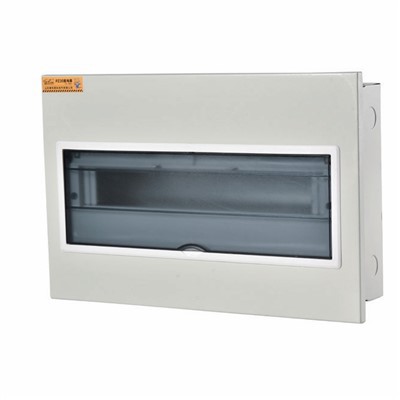
Let’s start by understanding what we’re working with. A Plastic MCB Distribution Box is a crucial part of any electrical system. It houses Miniature Circuit Breakers (MCBs), which protect circuits from overloads and short – circuits. On the other hand, a smart home system is all about making your home more convenient, energy – efficient, and secure through the use of technology. Integrating the two can take your home’s electrical management to a whole new level.
Why Integrate?
First off, you might be wondering why you should even bother integrating a Plastic MCB Distribution Box with a smart home system. Well, there are several good reasons. For starters, it gives you remote control over your home’s electrical circuits. You can turn off lights, appliances, or other devices from your smartphone, even if you’re miles away from home. This is great for energy savings and security. If you forget to turn off the lights before leaving, you can do it with just a few taps on your phone.
It also provides real – time monitoring of your electrical consumption. You can see how much power each circuit in your home is using, which helps you identify energy – hungry appliances and make adjustments to reduce your electricity bill. Plus, in case of a fault in a circuit, the smart system can send you an alert right away, allowing you to take action quickly and prevent potential electrical hazards.
Steps to Integration
Step 1: Choose the Right Smart Home Hub
The first step in integrating your Plastic MCB Distribution Box with a smart home system is to select a suitable smart home hub. The hub acts as the central control unit for all your smart devices. There are several popular options out there, like Amazon Echo with Alexa, Google Home, or Samsung SmartThings. Each has its own set of features and compatibility requirements.
When choosing a hub, make sure it supports the communication protocols that your Plastic MCB Distribution Box uses. For example, some boxes use Wi – Fi, while others might use ZigBee or Z – Wave. Check the specifications of both your box and the hub to ensure they can talk to each other.
Step 2: Check Your Plastic MCB Distribution Box Compatibility
Not all Plastic MCB Distribution Boxes are ready for smart home integration right out of the box. You need to check if your box has the necessary features or can be upgraded. Some modern distribution boxes come with built – in smart modules that allow for easy connection to a smart home system.
If your box doesn’t have these features, don’t worry. There are aftermarket smart adapters available that can be installed on your existing MCBs. These adapters can add smart functionality to your distribution box, enabling it to communicate with the smart home hub.
Step 3: Install and Configure the Smart Components
Once you’ve chosen the right hub and confirmed the compatibility of your Plastic MCB Distribution Box, it’s time to install the smart components. If you’re using a built – in smart module, follow the manufacturer’s instructions for installation. This usually involves connecting the module to the appropriate terminals in the box and powering it up.
If you’re using an aftermarket adapter, you’ll need to carefully install it on each MCB you want to make smart. Make sure to turn off the power before doing any electrical work to avoid any accidents.
After installation, you’ll need to configure the smart components to work with your smart home hub. This typically involves using a smartphone app provided by the hub manufacturer. You’ll need to add your Plastic MCB Distribution Box and its associated circuits to the app, following the on – screen instructions.
Step 4: Test the Integration
After everything is installed and configured, it’s time to test the integration. Use your smart home hub’s app to try turning on and off different circuits in your Plastic MCB Distribution Box. Check if the real – time monitoring features are working correctly by looking at the power consumption data for each circuit.
If you run into any issues, double – check your connections, make sure the smart components are properly installed, and refer to the user manuals for both the hub and the distribution box. You can also reach out to technical support if needed.
Challenges and Solutions
Compatibility Issues
As I mentioned earlier, compatibility can be a major challenge when integrating a Plastic MCB Distribution Box with a smart home system. Different products use different communication protocols, and not all of them play well together.
The solution is to do thorough research before making any purchases. Read product reviews, check compatibility lists provided by manufacturers, and don’t hesitate to contact the manufacturers directly if you have any questions. This way, you can ensure that the components you choose are compatible with each other.
Security Concerns
Smart home systems are connected to the internet, which brings up security concerns. You’re essentially allowing outside access to your home’s electrical system, so it’s important to take steps to protect it.
To enhance security, make sure to use strong passwords for your smart home hub and all associated devices. Keep your hub’s firmware up – to – date, as manufacturers often release security patches to fix vulnerabilities. Also, consider using a virtual private network (VPN) for an extra layer of security, especially if you plan to control your system remotely.
Installation Complexity
Installing and integrating the smart components can be a bit tricky, especially if you’re not very familiar with electrical work. It’s important to follow all safety guidelines and turn off the power before starting any installation.
If you’re not confident in your abilities, it’s a good idea to hire a professional electrician. They have the knowledge and experience to install the smart components safely and correctly, ensuring that your integration works smoothly.
Benefits for Homeowners and Builders
For homeowners, integrating a Plastic MCB Distribution Box with a smart home system offers a higher level of comfort, convenience, and energy efficiency. You can easily manage your home’s electricity usage, save money on your bills, and have peace of mind knowing that you can monitor and control your circuits from anywhere.
Builders can also benefit from this integration. By offering smart home – ready Plastic MCB Distribution Boxes in their projects, they can make their homes more attractive to buyers. In today’s market, more and more homebuyers are looking for smart home features, so this can give builders a competitive edge.
Conclusion
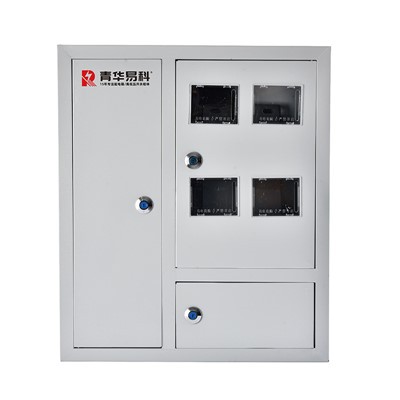
Integrating a Plastic MCB Distribution Box with a smart home system is a great way to upgrade your home’s electrical management. It might seem a bit daunting at first, but by following the steps I’ve outlined and being aware of the potential challenges, you can successfully integrate the two and enjoy all the benefits that come with it.
Stainless Electrical Enclosure If you’re interested in purchasing a high – quality Plastic MCB Distribution Box for your smart home project or have any questions about integration, I’d love to hear from you. Whether you’re a homeowner looking to upgrade your place or a builder working on a new project, I can provide you with the right products and support. Reach out to me, and let’s have a chat about your needs!
References
- "Smart Home Technologies: A Comprehensive Guide". Published by an anonymous electrical engineering enthusiast.
- Product manuals of various Plastic MCB Distribution Boxes and smart home hubs.
Shandong Qinghua Yike Electric Co., Ltd.
Address: No. 378 Taozhuang Village, Zaoyuan Town, Lanshan District, Linyi City, Shandong Province
E-mail: admin@sd-qhyk.com
WebSite: https://www.qhecobox.com/
