Hey there! As a supplier of Surge Protection Devices (SPDs), I often get asked about the maintenance requirements for these essential pieces of equipment. So, I thought I’d take a few minutes to share some insights on what you need to do to keep your SPDs in top shape. Surge Protection Device
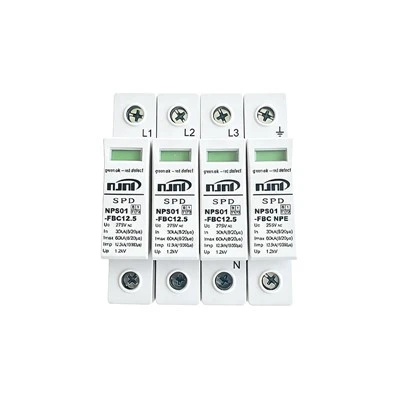
First off, let’s talk about why maintenance is so important. Surge protection devices are designed to safeguard your electrical systems and connected devices from voltage spikes caused by lightning strikes, power grid fluctuations, or other electrical disturbances. Over time, however, these devices can wear out or become damaged, reducing their effectiveness and putting your equipment at risk. That’s where regular maintenance comes in – it helps ensure that your SPDs are functioning properly and providing the protection you need.
Now, one of the most basic maintenance tasks for an SPD is visual inspection. You should check your SPDs regularly for any signs of physical damage, such as cracks, burns, or corrosion. If you notice any of these issues, it’s a good idea to replace the device as soon as possible. Visual inspection should also include checking the status indicators on the SPD. Many modern SPDs come with built – in status lights that can tell you if the device is working correctly or if it has been triggered. A green light usually means everything’s okay, while a red light might indicate that the SPD has absorbed a surge and needs to be replaced.
Another crucial aspect of maintenance is testing. While visual inspections can give you a general idea of the SPD’s condition, testing is the only way to truly determine if it’s still providing adequate protection. There are a few different types of tests you can perform. One common method is insulation resistance testing. This test measures the resistance between the live conductors and the earth, and it can help you detect any insulation breakdown within the SPD. You can use a simple insulation resistance tester to carry out this test, and it should be done at least once a year.
Functional testing is also important. This involves simulating a surge condition to see if the SPD responds as expected. It’s a bit more complex than insulation resistance testing and often requires specialized equipment. Professional electricians or technicians are usually the ones who perform functional tests, and they can provide a detailed report on the SPD’s performance. You might want to schedule functional testing every two to three years, depending on the environment where the SPD is installed.
The environment in which an SPD is installed can have a big impact on its maintenance requirements. For example, if an SPD is installed in a harsh industrial environment with high levels of dust, moisture, or chemical contaminants, it will likely need more frequent maintenance than one installed in a clean, dry office setting. In such harsh environments, you may need to clean the SPD regularly to prevent the build – up of dirt and debris, which can interfere with its operation. You can use a soft, dry cloth to gently wipe the exterior of the device, but be careful not to damage any of the components.
Temperature is another environmental factor to consider. SPDs are designed to operate within a certain temperature range. If the temperature around the SPD is too high or too low, it can affect its performance and lifespan. In hot environments, you may need to ensure proper ventilation to prevent overheating. This could involve installing fans or vents near the SPD to keep the air circulating. In cold environments, you might need to take steps to protect the SPD from freezing temperatures, such as using insulation or heaters.
Proper documentation is also a key part of SPD maintenance. You should keep records of all inspections, tests, and maintenance activities. This includes the date of each inspection, the results of any tests, and any actions taken, such as replacing a damaged SPD. Having detailed documentation can help you track the performance of your SPDs over time, identify any recurring issues, and demonstrate to insurance providers or regulatory bodies that you’re taking proper care of your electrical systems.
When it comes to replacing SPDs, it’s important to know when it’s time. As I mentioned earlier, if you notice physical damage or a malfunction indicated by the status indicator, replacement is usually necessary. But even if there are no obvious signs of problems, SPDs have a limited lifespan. Most manufacturers recommend replacing SPDs every 5 – 10 years, depending on the type of device and its usage. Using a worn – out SPD is like driving a car with a balding tire – you’re asking for trouble.
So, if you’re using SPDs in your electrical systems, don’t overlook the importance of maintenance. By following these simple steps – regular visual inspections, proper testing, environmental monitoring, and keeping good records – you can ensure that your SPDs are always ready to protect your valuable equipment.
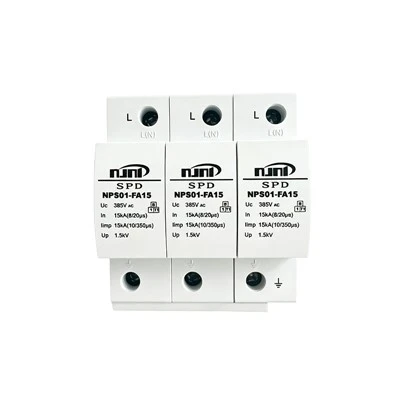
If you’re in the market for new Surge Protection Devices or need advice on maintenance, we’re here to help. As a leading supplier of SPDs, we offer a wide range of high – quality products to meet your specific needs. Whether you’re managing a small office or a large industrial facility, we’ve got the right solution for you. Reach out to us to start discussing your requirements and find the best SPDs for your situation.
T1 50KA Surge Protective Device References:
- Industry standards on surge protection device maintenance
- Manufacturer’s manuals for various surge protection devices
Nanjing Ningpu Lightning Protection Equipment Manufacturing Co., Ltd.
As one of the most professional surge protection device manufacturers and suppliers in China, we’re featured by quality products and good price. Please rest assured to buy customized surge protection device made in China here from our factory. Also, pricelist is available.
Address: Building 1, No.20 Shengyuan Road, Lishui Economic Development Zone, Nanjing City, Jiangsu Province, China
E-mail: 3796023563@qq.com
WebSite: https://www.npspd.com/
