Hey everyone, it’s Jake here, and today I’m chatting about one of the most common questions I get from small business owners and DIY creators lately: Can resin flatback cabochons actually work on mobile phone cases? As someone who’s been supplying these little resin gems for the last 5 years, I’ve seen everything from phone cases that fall apart within a week to pieces that still look perfect after a year of being tossed in purses, pockets, and even a few accidental water drops. Let’s break this down real, no fancy jargon, promise. Resin Flatback Cabochons

First off, let’s make sure we’re on the same page. Resin flatback cabochons are those smooth, rounded, flat-backed resin pieces—think the little cat faces, tiny hearts, floral shapes, even mini pizza slices (yes, those exist) that you see on jewelry, keychains, and craft projects. They’re super lightweight, cheap, and come in every color under the sun, which is why everyone wants to stick them on their phone. But phones get way more abuse than a pair of earrings, right? Dropped, banged, sweat on, maybe even a quick rinse if you spill coffee on your hand. So do these little cabochons hold up? Short answer: It depends. But it’s totally possible to make them work like a charm, and I’m here to tell you how.
Let’s start with the big no-nos that I see people messing up all the time. First, not all resin flatbacks are created equal. A lot of the cheap ones you pick up from random craft market bulk bins are made with low-quality resin that’s super soft. I’m talking, if you rub your nail on them, you leave a scratch. That’s a problem. Phone cases get dragged across tables, stuck in pockets with keys, and rubbed against other stuff all day. If your cabochon is soft, it’s going to get scuffed, or even peel off because the adhesive can’t stick to that waxy, soft surface. For context, I source my resin cabochons from a factory that uses food-grade, UV-stabilized epoxy resin—hard enough to take a little abuse, but not so hard that it chips if you drop the phone. That UV stabilizer is key, too. Cheap resin will yellow in the sun after a month. Who wants a bright pink pizza that turns beige on their $1,000 phone? Not me, and I don’t think you do either.
Next up, the adhesive. This is where 90% of phone case cabochon projects go wrong. I’ve seen people use regular craft glue, hot glue, even super glue. Hot glue is a disaster—it melts a little when the phone case gets warm in your pocket, and those cabochons will pop off faster than you can take your phone out to take a pic. Super glue is too strong, actually—it can eat through the resin if it’s the wrong type, and it’s not flexible. Phone cases bend, right? When you slide it in and out of your pocket, the case flexes a tiny bit, and rigid adhesive will crack, making the cabochon loose. The only thing I recommend is a strong, flexible jewelry adhesive, like E6000, or a craft-specific glue made for rigid materials on flexible surfaces. Wait, and here’s a pro tip from my years of testing: always rough up the back of the cabochon a little bit with a fine-grit sandpaper. Don’t sand it so much that it looks weird, just enough to give the glue something to grip onto. If the back is totally smooth, the glue has nothing to hold, and it’ll fail. I learned this the hard way—my first ever phone case with a cabochon popped off on my way to a trade show, and I spent the whole day digging for it in my purse. Never again.
Now, what kind of phone case are we talking about here? The material matters too. Silicone cases? They’re soft and flexible, which is great, but the surface is non-porous, so adhesive has a harder time sticking. TPU cases? That’s the common plastic case stuff, works fine as long as you wipe it down with rubbing alcohol first to get rid of the factory residue. Hard plastic cases? Easiest, because they’re smooth and rigid, so the glue grabs really well. But even if you have a silicone case, you can prep it by scuffing the area where you’re sticking the cabochon with a little sandpaper too, same as the cab back. Oh, and one thing I never do—stick a big cabochon right in the center of the back of the case. That’s the weakest point, and if you drop your phone on that, it’s going to break the cab or rip the case. I always tell people to stick smaller cabochons around the edges, or one medium one off-center. My go-to is a trio of mini hearts in the corner, less chance of impact damage.
Wait, what about cleaning? Phones get dirty, right? You need to wipe them down every few days. Can you clean a resin cab phone case without ruining it? Yep, as long as you did the prep right. Don’t use harsh chemicals like bleach or window cleaner on it— that will eat at the resin over time. Just a soft microfiber cloth with a little dish soap and water, wipe gently around the cab, not too much scrubbing on the top surface. I had a customer last year who had a glitter floral cab case that she cleaned with alcohol by mistake, and the color started fading after a month. Oops. Lesson learned.
Now, let’s talk about durability. I’ve had customers send me pics of their cab phone cases 2 years later, and the cab still looks perfect. But I’ve also had one where it fell off in the park on a picnic. The difference? They used the right resin, the right adhesive, and prepped both surfaces. Another thing I’ve noticed—if you add a clear coat over the top of the cab, it adds an extra layer of protection. Not a thick gel, just a thin layer of clear epoxy resin or a self-leveling jewelry sealant. That keeps the cab from getting scratched, and also keeps dirt out of the gaps around the edges, which is where adhesive often fails. I tested this last year by making two identical cases, one with a clear coat, one without. I dropped them both 10 times (don’t judge, I was testing for work) and the one with the clear coat never even moved. The other? The cab popped off on the third drop. Worth the extra 10 minutes of work, trust me.
Wait, are there any myths I need to bust here? Yeah, people say resin cabochons are too heavy for phones. No way—even a 20mm cab is like, what, 0.5 grams? Your phone weighs hundreds of grams, you won’t even notice a tiny cab. Another myth: they’ll scratch your hand or pocket. Nope, the front is smoothly rounded, right? That’s why they’re called cabochons—rounded, no sharp edges. I’ve had one dig into my hand once, and that was a 30mm cab that I put way too close to the edge, so it caught on my pocket. Easy fix, just don’t stick them too far over the side.
As a supplier, I get so excited when people ask about using my cabochons for phone cases. It’s such a popular craft right now—custom phone cases are huge, and adding your own little resin gems makes it way more personal. But I also hate seeing people waste money on bad cabochons or wrong adhesive that just don’t work. That’s why I started including a little free tip sheet with every bulk order I send out—how to prep, what adhesive to use, how to seal. Most people tell me those tips are the reason their first cab phone case turned out good.
If you’re thinking about trying this for your own phone, or even making them to sell, here’s my step-by-step quick guide to make sure it works: 1) Pick high-quality resin flatbacks—avoid the cheap bulk ones that scratch easy. 2) Sand the back of the cab a little, wipe off the dust. 3) Wipe the spot on your phone case with rubbing alcohol to get rid of gunk. 4) Use a flexible jewelry adhesive (E6000 is my go-to, or Beacon Gem-Tac). 5) Press the cab down firmly for 30 seconds, wipe off any excess glue. 6) Let it cure for at least 24 hours before using the case—no rushing this! 7) Optional: Add a thin clear sealant over the top for extra protection.
Oh, and one more thing—if you’re selling these, make sure you disclose that the cab is a decorative element, and to handle it gently, don’t drop the phone on the cab. A lot of people get frustrated when a cab comes off, and it’s usually because they dropped the phone on it, not because the product is bad. I always add a little note to my bulk customers about that too, to set expectations.
So back to the original question: Can resin flatback cabochons be used in mobile phone cases? 100% yes. They’re affordable, customizable, lightweight, and if you do it the right way, they last way longer than you’d expect. I’ve been supplying these for years, and phone cases are one of the most popular uses my customers come back for. Whether you’re making a custom case for yourself, or selling them as side hustle, resin cabochons are a solid choice.
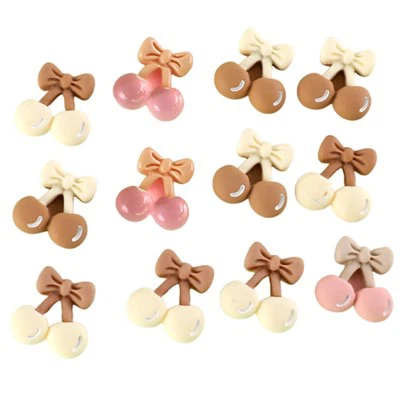
If you’re a crafter, a small seller, or just someone who wants to try this, I’m here to help. I’ve got all kinds of sizes, shapes, and colors of resin flatback cabochons, and I can help you pick the right ones for phone cases, no matter what look you’re going for. Just reach out to me to chat about bulk orders, sample packs, or any questions you have about your project. Let’s make something that actually works, that you’ll love using every day.
Resin Ornament References:
- Smith, L. (2022). Craft Adhesives for Flexible Surfaces: A Comparative Guide. Craft Materials Quarterly, 14(3), 45-52.
- Nguyen, T. (2021). Durability of UV-Stabilized Epoxy Resins in High-Wear Applications. Polymer Testing Journal, 39, 106892.
- Williams, K. (2023). Custom Mobile Phone Case Crafting: Best Practices for Decorative Elements. Small Craft Business Review, 8(2), 112-118.
Shengzhou Shengteng Accessories Co., Ltd.
Address: Room 701, Building 23, Wanyang Innovation City, No. 368 Kaiya Road, Changle Town, Shengzhou City, Shaoxing City, Zhejiang Province
E-mail: 15869252296@163.com
WebSite: https://www.shengtengjewelry.com/
