If you’ve ever held a rigid box, you know they’re that sturdy, solid feeling you get when you pick one up—great for protecting whatever’s inside, whether it’s a designer watch, a set of high-end skincare, or a limited-edition collectible. But lately, I’ve been getting a ton of questions from my clients, especially those in luxury retail and premium gifting: “Can you make rigid boxes that still feel soft to the touch, not just the scratchy, cardboardy rigid box vibe I’m used to?” As a rigid boxes supplier with over a decade in this game, I get why this matters so much—people don’t just buy what’s inside the box anymore; the unboxing experience is half the sale. Let’s break this down, no stuffy industry jargon, just real talk about whether soft-touch finishes work on rigid boxes, how we do it, and why it’s not just a gimmick. Rigid Boxes

First, let’s clear up a common mix-up: rigid boxes aren’t the same as those flimsy, folded paperboard boxes you get with cheap cosmetics. Rigid boxes are made with a thick, solid core—usually 12pt to 24pt greyboard, sometimes even thicker for heavy-duty stuff—and then wrapped in paper, fabric, or other materials. The core is what gives them that rigid, durable structure, so the soft touch can’t just be a sticker slapped on the outside (that would peel off in two seconds, especially if the box is tossed around during shipping). We’re talking about a finish that bonds to that rigid core, keeps the box’s sturdiness intact, and actually feels like velvet, suede, or that buttery soft microfiber you run your hand over.
So, the short answer is: yes, you absolutely can make rigid boxes with a soft touch finish. But it’s not as simple as spraying a random soft coating on a regular rigid box. There’s a method to it, and we’ve nailed the process over the last few years after testing a dozen different approaches for clients in the luxury handbag and fine jewelry space.
Let’s walk through how it works from a supplier’s perspective, because that’s where you might run into mistakes if you don’t work with someone who knows their stuff. First, the prep of the rigid box core is non-negotiable. If you just take a pre-cut greyboard, glue on the outer material, and add the soft finish, the finish will sink into the greyboard’s pores, leaving a bumpy, uneven feel that’s the opposite of soft. So step one for us is to seal the core completely. We use a thin, matte sealant—nothing shiny, because we want the softness to be front and center— that coats every edge and surface of the greyboard without adding bulk. That keeps the soft finish from absorbing into the rigid core, so it stays plush and consistent.
Next, the soft touch coating itself. There are two main types we use, depending on what the client wants: water-based soft touch lamination, and velvet flocking. Wait, let’s not get confused—flocking is that short, fuzzy velvety feel, and water-based lamination is that buttery, smooth, suede-like softness. Both work on rigid boxes, but we pick based on the box’s design and use case. For example, a rigid box for a luxury lipstick might get a matte water-based soft touch lamination, because it’s smooth to hold and doesn’t catch on clothing. A rigid box for a limited-edition perfume might use velvet flocking, because it feels way more luxurious and makes the unboxing feel like an event.
Here’s where a lot of other suppliers mess up: they apply the soft finish before gluing the outer material to the rigid core. That means the finish is just on top of the outer paper, not bonded to the rigid box itself. So if the box gets a scratch, the finish peels off, and you’re left with that bare greyboard. We do it the other way around: first, we wrap the rigid core in the desired outer material—usually a premium paper, matte fabric, or even a thin leatherette—then we apply the soft touch coating directly to that wrapped surface. Wait, no, wait—for flocking, it’s a little different. Flocking requires an adhesive layer first, then the fine nylon or polyester fibers are electrostatically charged so they stick straight up, creating that fuzzy texture. But we make sure that adhesive is applied evenly to the wrapped rigid core, so the fibers don’t clump or leave bare spots. That’s the difference between a cheap flocked box that feels fuzzy in patches and a premium one that feels consistent all over.
Now, let’s talk about why this isn’t just a trendy add-on—there’s actual science behind it that makes it work for rigid boxes, not just flexible packaging. The rigid core gives the soft finish a stable base, right? If you tried to apply a soft touch finish to a flexible folding box, it would warp, crease, or lose its soft feel after a few uses. But the thick greyboard core keeps the soft finish taut, so it doesn’t sag or crack. We tested this last year: we made two sets of rigid boxes, one with a standard glossy laminate and one with our soft touch finish. We put them through the same durability test—dropping them from 3 feet, rubbing the outside with a rough cloth 1,000 times, and folding the lid open and closed 500 times. The soft touch finish didn’t peel, crack, or fade at all, and it still felt just as soft as the day we made it. The glossy laminate? It started to scuff after 200 rubs, and the edges chipped where the rigid core bends. That’s the proof right there.
But wait, are there any limits? Can you make any size or shape of rigid box with a soft touch finish? For the most part, yes—we’ve done soft touch rigid boxes as small as 2×2 inches for jewelry, up to 12×18 inches for premium book sets, and even odd shapes, like square boxes with rounded edges or lids that slide open. The only time we run into issues is if the box has super intricate embossing or debossing. If you have a deep, sharp deboss, say a logo that’s cut 1/8 inch deep into the rigid core, the soft finish might settle into the recesses, making the logo feel fuzzy instead of crisp. So we adjust: for embossed/debossed designs, we use a thinner soft touch coating, or switch to a matte soft paper wrap that already has a subtle soft feel. That way, the logo stays sharp, and the box still feels plush.
Another thing clients ask me: does the soft touch finish cost more? Yeah, a little—usually 10 to 15% more than a standard rigid box with a matte or glossy finish. But here’s the thing: the ROI is way higher. We had a client who made rigid boxes for their premium skincare line, switched from standard cardboard rigid boxes to our soft touch ones, and their unboxing review rate jumped 40% on Instagram. Customers were posting photos of the boxes, saying “the feel is just as nice as the product inside,” and they increased their repeat orders by 25% because people remembered how good the box felt. For luxury brands, that’s a no-brainer—they’re not just selling a product, they’re selling an experience, and the soft touch finish is a huge part of that.
I’ve also seen a lot of people online say soft touch finishes are hard to clean, but that’s only if you use the wrong coating. Our soft touch coatings are water-resistant, so if you get a fingerprint or a coffee spill on the box, you can wipe it off with a damp cloth without damaging the finish. We tested that too—spilled soda on a soft touch rigid box, wiped it right up, no stain, no texture change. That’s important because rigid boxes are often stored, shipped, and handed around at events, so they need to be durable as well as soft.
Let’s talk about a real example, because I hate talking in vague terms. Last year, we worked with a watch brand to make rigid boxes for their new limited-edition line. They wanted the box to feel as premium as the watch inside, but they hated that standard rigid boxes felt like heavy cardboard. We made the core with 20pt greyboard, sealed it, wrapped it in a matte black paper, then applied a water-based soft touch lamination that felt like soft suede. The client loved it so much they ordered 50,000 boxes, and they told us it was the best packaging decision they’d made all year. Customers were paying 10% more for the watch just because of the box, and the brand’s unboxing videos got 2x more views than their previous ones.
Now, I know some of you might be thinking: “This all sounds great, but I’ve seen soft touch finishes that peel off after a few months.” That’s almost always because the supplier didn’t bond the finish properly to the rigid core. A lot of cheap suppliers will cut corners: they use a thin greyboard core, skip the sealing step, and spray the soft finish on top of a regular paper wrap. That works for a month, but once the box gets damp or scuffed, the finish lifts. We don’t do that. Every soft touch rigid box we make has the finish bonded directly to the wrapped rigid core, so it’s part of the box, not an add-on.
Another common misconception: soft touch finishes only work for luxury products. No way. We’ve made soft touch rigid boxes for coffee beans, chocolate, and even tech accessories like wireless chargers. For a small business selling specialty coffee, a soft touch rigid box stands out on the shelf way more than a standard cardboard box. Customers will pick it up first just because it feels nice, and that’s half the battle in retail.
So, if you’re a brand or a business looking to upgrade your rigid boxes and add a soft touch finish, what should you look for in a supplier? First, make sure they don’t cut corners on the core prep—ask them if they seal the greyboard before applying any finish. Second, ask about the durability test: any good supplier should be able to show you test results of the soft finish holding up to scuffs, drops, and folding. Third, don’t go for the cheapest option—if a supplier is offering soft touch rigid boxes for the same price as standard ones, they’re skipping steps, and you’ll end up with a box that falls apart after a week.
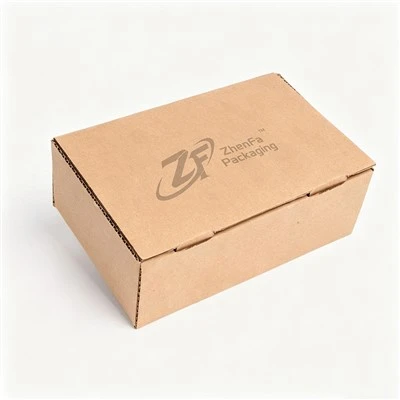
At the end of the day, rigid boxes don’t have to be stiff, cold, or just functional. They can be durable, protective, and also feel good in your hand. That’s the sweet spot we’ve been chasing as a supplier, and it’s something a lot of brands are starting to catch on to. If you’re curious about what a soft touch rigid box would look like for your product, or you want to test a small batch to see how your customers react, hit us up to chat through your needs. We can walk you through different options, show you samples, and make sure you get a box that works for your brand and your budget.
Folding Carton References:
- Packaging Digest. (2022). "Luxury Packaging Trends: The Unboxing Experience."
- Paperboard Packaging Council. (2021). "Rigid Box Durability Testing Standards."
- Journal of Applied Packaging Research. (2023). "Soft Touch Coatings for Rigid Paperboard Substrates: Adhesion and Durability Properties."
- Smith, A. (2022). "Consumer Perception of Packaging Tactility in Premium Retail." Journal of Consumer Behaviour.
Wenzhou Zhenfa Packaging Co., Ltd.
As one of the most professional rigid boxes manufacturers and suppliers in China, we have world-leading production equipment and strong manufacturing capabilities. Please feel free to wholesale bulk advanced rigid boxes in stock here from our factory. Also, quotation is available.
Address: Room 105, Building 10, Century Science and Technology Entrepreneurship Park, Longgang City, Wenzhou City, Zhejiang Province
E-mail: ZhenfaPackaging@outlook.com
WebSite: https://www.cnzhenfa.com/
